
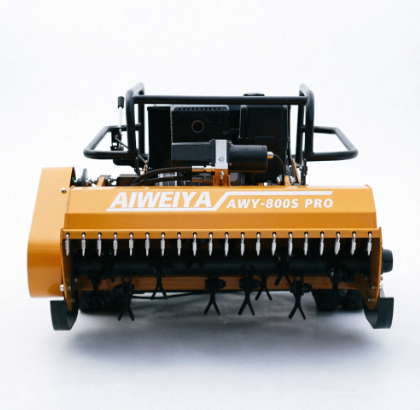
Many users assume remote-control lawn mowers are built like tanks and can simply be pushed to their limits. But even the toughest machine needs regular maintenance. The tracks and cutting blades are among the most important wear components, and neglecting them can reduce mowing performance, increase vibration, and lead to costly repairs.
The good news? A few simple maintenance habits can make a significant difference. Here are three practical secrets to help keep your RC mower running smoothly and extend the service life of its tracks and blades.
Secret 1: Make Post-Mowing Cleaning a 10-Minute Habit
After mowing, wet grass, mud, and other debris can accumulate around the mower deck, blades, and undercarriage. If allowed to dry, this buildup becomes much harder to remove and can contribute to corrosion and interfere with moving components. Manufacturers also recommend keeping grass and debris away from the cutting unit, drives, and engine compartment.
Actionable Tip:
Clean the mower soon after every mowing session, while the debris is still relatively fresh. Use a stiff brush or, if your specific model permits it, carefully use low-pressure water around the deck and undercarriage. Avoid directing water at electrical components, connectors, air intakes, bearings, or other areas that should not be exposed to water.
Once cleaning is complete, allow the machine to dry thoroughly before storage. A clean, dry mower is much less likely to develop corrosion or accumulate stubborn debris.
Secret 2: Keep Track Tension Correct
Track tension has a direct impact on both traction and component wear. Tracks that are too loose may derail during turns or on uneven terrain, while excessive tension can accelerate wear on the tracks and undercarriage components. Manufacturer maintenance guidance similarly emphasizes regular track-tension checks and warns that incorrect tension can increase the risk of derailment or premature wear.
Actionable Tip:
Check track tension according to your mower manufacturer’s specifications rather than relying on a universal measurement. Different RC mower designs use different tensioning systems and have different recommended settings. For example, some machines specify tension using a grease-gun pressure reading rather than a simple track deflection measurement.
While checking the tracks, look for cuts, excessive tread wear, stones, sticks, or other debris trapped around the rollers and sprockets. Clean out anything you find and adjust the tension only as specified in your owner’s manual.
If your model has grease fittings, lubricate the designated components at the manufacturer’s recommended intervals. Do not assume that every track roller, sprocket, or idler should be greased—lubrication requirements vary by machine.
Secret 3: Inspect Blades Regularly and Maintain Proper Balance
Sharp, undamaged blades produce a cleaner cut and reduce unnecessary load on the cutting system. More importantly, damaged, bent, cracked, or severely worn blades can create dangerous vibration and damage other components.
Actionable Tip:
Inspect the blades regularly, especially after striking rocks, stumps, or other hard objects. Look for cracks, bends, deep nicks, excessive wear, and loose mounting hardware. Manufacturer guidance recommends replacing damaged blades rather than attempting to straighten or weld them.
When sharpening or replacing blades, follow your mower’s service instructions and make sure the cutting assembly remains properly balanced. On multi-blade systems, replacing blades or blade sets in the manner specified by the manufacturer helps maintain balance and minimize vibration.
If the mower suddenly develops unusual vibration or noise, stop operating it and inspect the blades and cutting system before continuing.
Conclusion
A little maintenance goes a long way.
Instead of waiting for a problem to appear, make three habits part of your routine: clean the mower after use, maintain the correct track tension, and inspect the blades regularly.
These simple steps can help preserve cutting performance, reduce unnecessary wear, and keep your RC mower working reliably season after season.
Always follow the maintenance intervals, cleaning procedures, lubrication requirements, and safety instructions specified in your particular mower’s owner’s manual. Maintenance specifications can vary significantly between models.